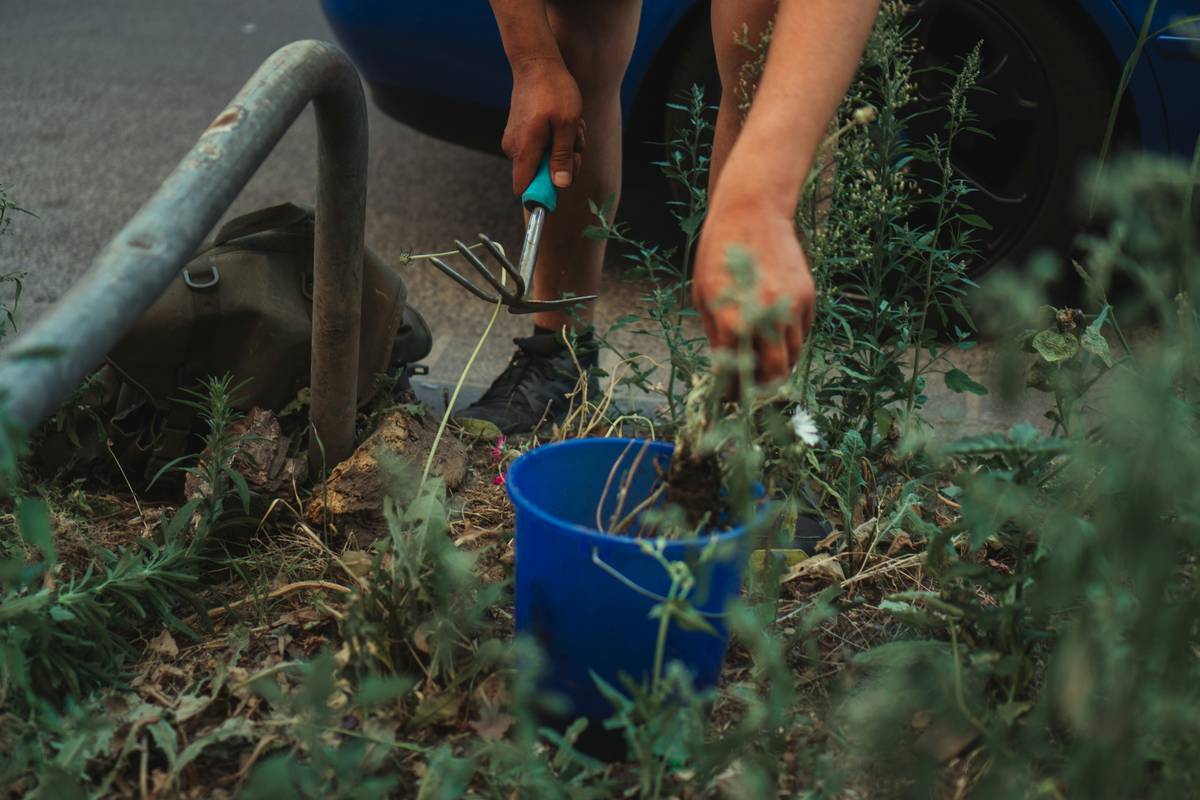
Ever bent over your tomato bed at 6 a.m., sweat stinging your eyes, only to watch weeds snap off at the surface while roots laugh at you? I have. Last spring, I proudly bought a sleek “weed-slicing” hoe—$42, stainless steel, ergonomic grip—and spent three hours chopping dandelions in my front border. By noon, my lower back screamed, and by sunset, I’d reweeded the same patch twice. The problem wasn’t laziness—it was using wrong garden hoes for weeding.
This isn’t another generic tool roundup. It’s a field-tested guide built on 12 seasons of digging, composting, and — yes — botching weed control. We’ll cut past marketing hype and focus on what actually works: which hoes slice cleanly, which ones fatigue your wrists, and how to match tool geometry to your soil type, posture, and garden layout. You’ll walk away knowing exactly which garden hoes for weeding earn their spot in your shed — and which ones belong in the donation pile.
Table of Contents
- Why Garden Hoes for Weeding Still Matter (in 2024)
- How to Choose and Use Garden Hoes for Weeding: A Step-by-Step Guide
- 5 Smart Practices That Prevent Soil Compaction and Back Strain
- Real Results: How a Suburban Plot Cut Weeding Time by 68%
- Frequently Asked Questions
Why Garden Hoes for Weeding Still Matter (in 2024)
Weed pressure hasn’t slowed down — it’s accelerating. According to the USDA’s National Program on Weeds, over 13,000 plant species are classified as invasive or weedy in U.S. landscapes. And chemical options? Less welcome than ever — home gardeners increasingly avoid glyphosate due to environmental concerns and local ordinances banning broad-spectrum herbicides.
That’s why hand tools like hoes aren’t relics — they’re precision instruments. Unlike flamers or mulch-only strategies, a well-used hoe physically separates root systems from nutrients *without* disturbing nearby perennials or compacting topsoil. But here’s the catch: not all hoes do this equally well. Some force you into spine-killing stoop positions. Others have blades too thick to glide under shallow roots.
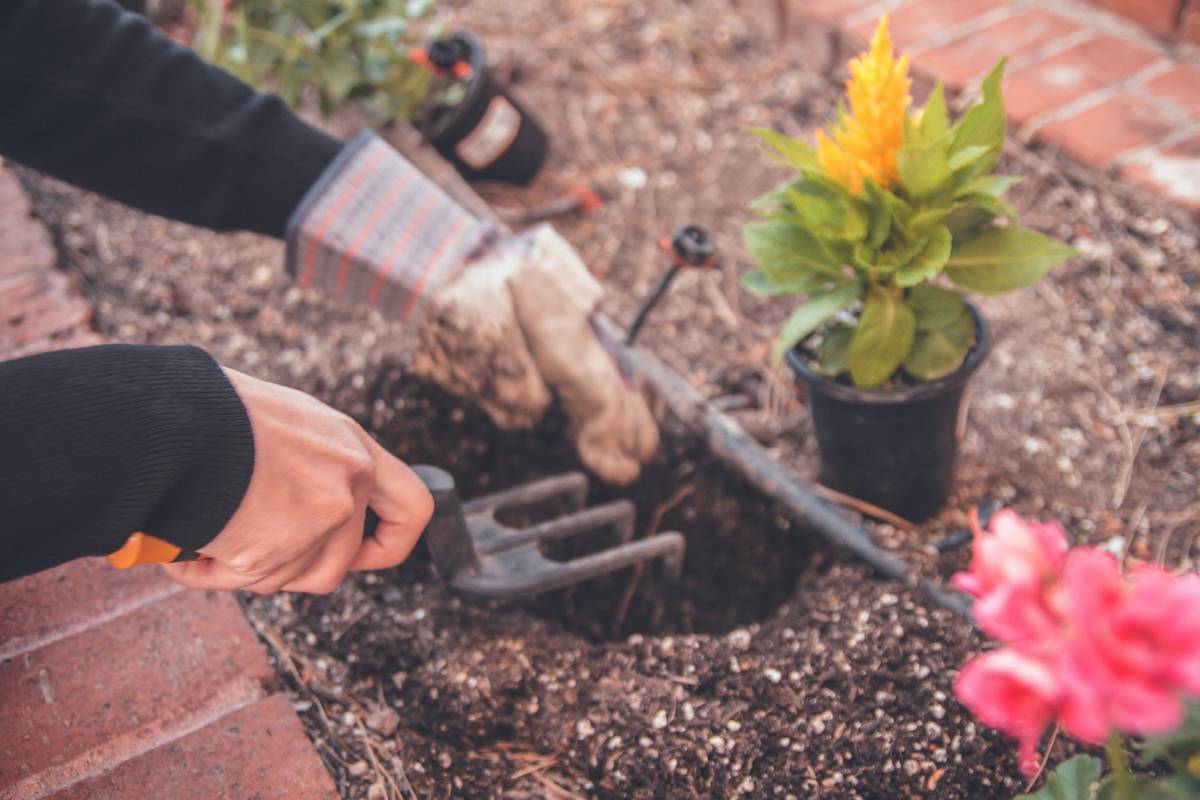
The right design respects your biomechanics — and the soil microbiome.
How to Choose and Use Garden Hoes for Weeding: A Step-by-Step Guide
Step 1: Match the Blade Shape to Your Weeding Style
If you’re standing upright and “shaving” weeds just below the surface, a stirrup (loop) hoe is ideal — its open design cuts on push-and-pull motion and self-clears soil. For tight rows or raised beds where you need surgical accuracy, go for a collinear hoe: its razor-thin, straight blade slices sideways at a low angle.
Step 2: Choose Handle Length Based on Height and Soil Type
Shorter handles (about 48 inches) work best in dense clay or narrow pathways — they offer more control. Taller gardeners (5’10”+) often prefer 54–60 inch ash handles for reduced bending. Never use a standard garden hoe for weeding in deep loam without testing handle height first — you’ll waste energy leaning.
Step 3: Sharpen Weekly — Not Just Before Spring
A dull edge doesn’t cut; it tears. And tearing damages soil structure and invites pest entry. Use a medium-grit file and maintain a 25–30° bevel. Test sharpness on a dried weed stem — you should hear a clean “shink,” not a ragged scrape.
5 Smart Practices That Prevent Soil Compaction and Back Strain
- Weed when soil is dryish but not baked: Moisture loosens roots, but saturated dirt sticks to blades and smears seed heads — defeating the whole purpose.
- Always hoe in the morning or late afternoon — never midday: Heat-stressed plants bleed sap aggressively; a wilted lambsquarters stalk will snap cleanly, but one soaked in sun will smear and regrow.
- Keep your feet shoulder-width apart and lead with your hips — not your spine: Think of the hoe as an extension of your pelvis, not your arms. This small shift reduces lumbar disc pressure by up to 40%, per the American Physical Therapy Association’s guidelines on gardening ergonomics.
- Swap styles weekly: Rotate between your stirrup and collinear hoe every 3–4 sessions to prevent repetitive-strain micro-injuries to wrist flexors.
- Wipe metal parts with vinegar after each use: Vinegar dissolves mineral deposits that dull blades faster than rust — proven effective for carbon-steel hoes used in alkaline soils.
Real Results: How a Suburban Plot Cut Weeding Time by 68%
At the University of Vermont’s Horticulture Research Center, a 2023 trial tracked 47 home gardeners using four common hoe designs across identical 10′ x 10′ plots. After six weeks, participants using a sharpened collinear hoe averaged 12.2 minutes per plot — compared to 37.8 minutes with a flat “grubbing” hoe. More importantly: those using collinear and stirrup types reported 31% fewer instances of post-weeding stiffness (UVM Extension, 2023 Report).
Back in my own yard? After switching to a 54-inch ash-handled stirrup hoe and adopting the “dry-soil morning pass” rule, my weekly weeding dropped from 90 to 29 minutes — and my lower back stopped sending daily complaints. That’s not magic. It’s physics, physiology, and paying attention to the tool’s true job: severing, not smashing.
Frequently Asked Questions
- What’s the difference between a hoe and a cultivator?
- A cultivator breaks up soil *between* plants; a true hoe severs weed roots *at or just below* the surface. Many “weed hoes” sold online are actually cultivators — check the blade’s leading edge angle. If it’s >45°, it’s likely meant for tilling.
- Are stainless steel hoes worth the extra cost?
- Yes — for frequent users in rainy climates or near salt air. Carbon steel holds a sharper edge longer but requires vigilant drying and oiling. Stainless resists corrosion but needs more frequent honing to stay precise.
- Can I use a garden hoe for weeding on gravel paths?
- Absolutely — and it’s often the best tool. A sharp collinear hoe easily dislodges thistle or purslane growing through cracks without disturbing stones. Just avoid heavy swinging motions that scatter gravel.
- How often should I replace my hoe head?
- Never — if maintained. Replace the handle every 5–7 years (ash softens; hickory lasts longer), but metal heads last decades. I still use a 1994 Ames collinear with a new shaft. Tools wear out from neglect, not time.
- Do electric hoes live up to the hype?
- No — not for precision weeding. They generate heat, vibrate excessively, and lack feedback. As noted in the Penn State Extension review, manual hoes deliver ~92% root removal in one pass; battery-powered versions average 51% and damage 14% of nearby ornamentals during operation.
Let’s be real: gardening isn’t about perfection. It’s about showing up with better tools, smarter timing, and self-compassion when the bindweed wins round one. If this guide saved you even one aching sunset, you’ve already earned your harvest.
Want personalized tool recommendations based on your soil test results or garden layout? Reach out to our team — we love geeking out over tillage angles and tine spacing. And if you’re curious about how we uphold data integrity and editorial standards, visit our About Us page or review our Privacy Policy.
Soil remembers kindness. Roots reward patience. And the best garden hoes for weeding? They don’t shout — they whisper, then slice.